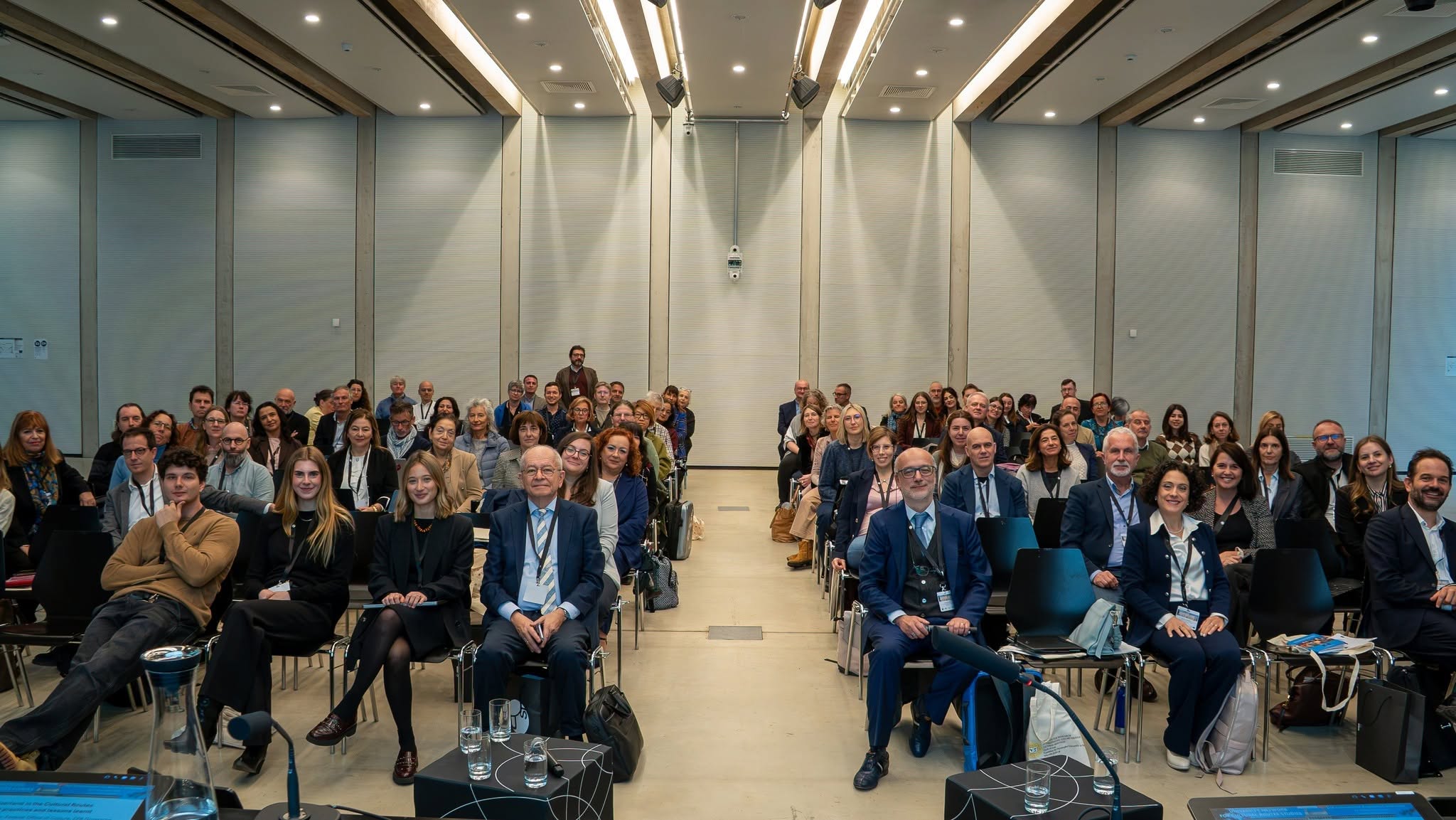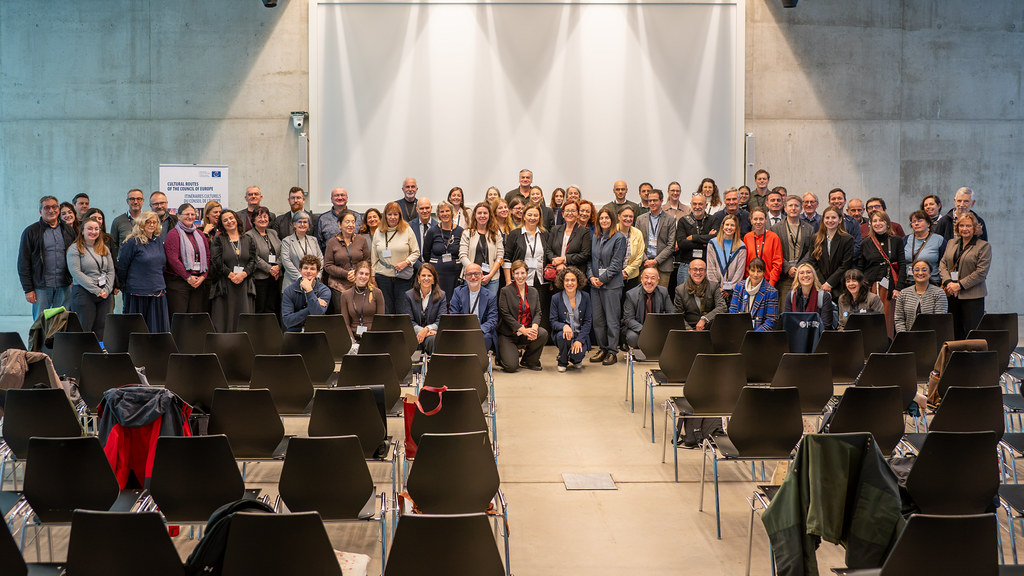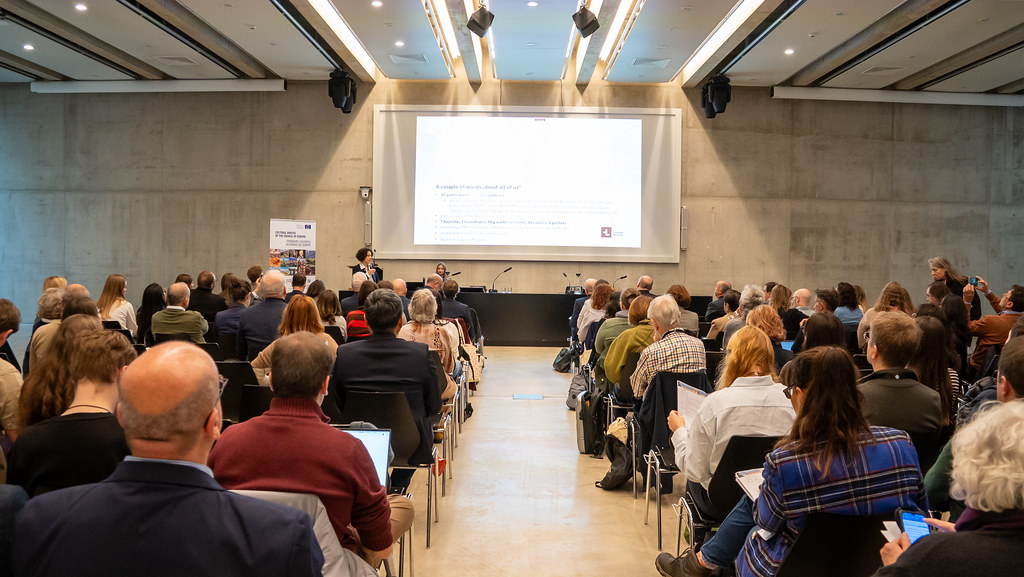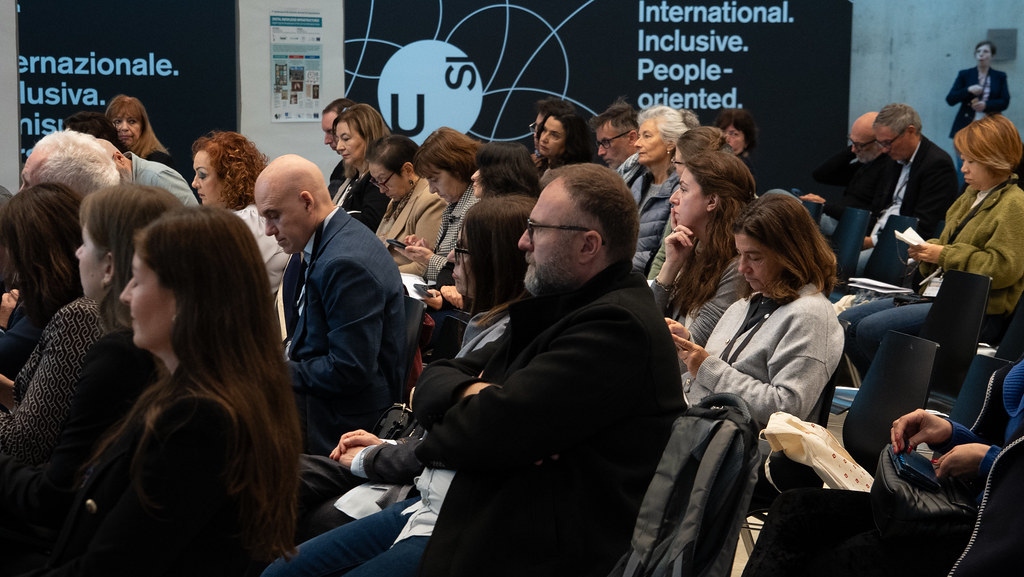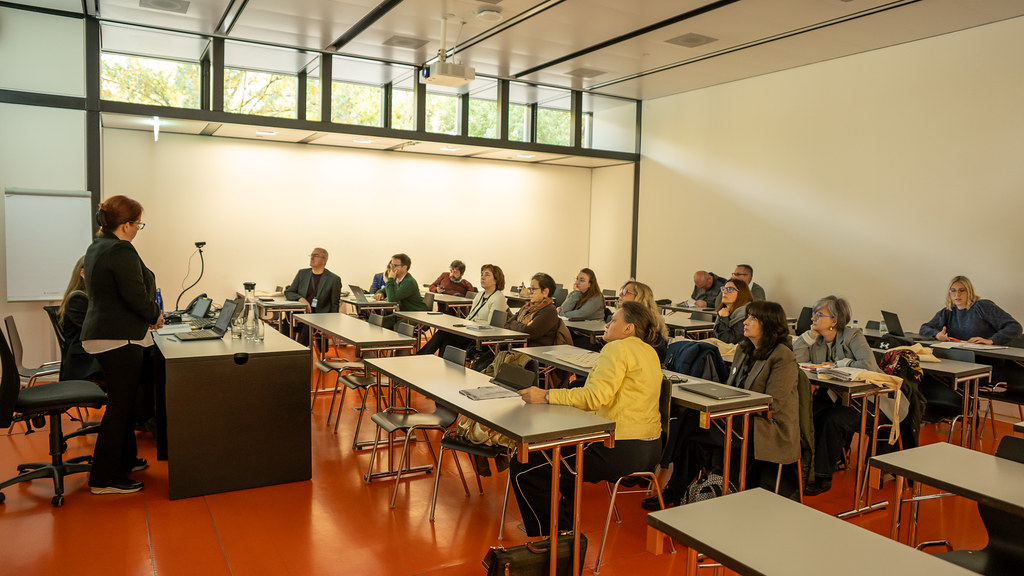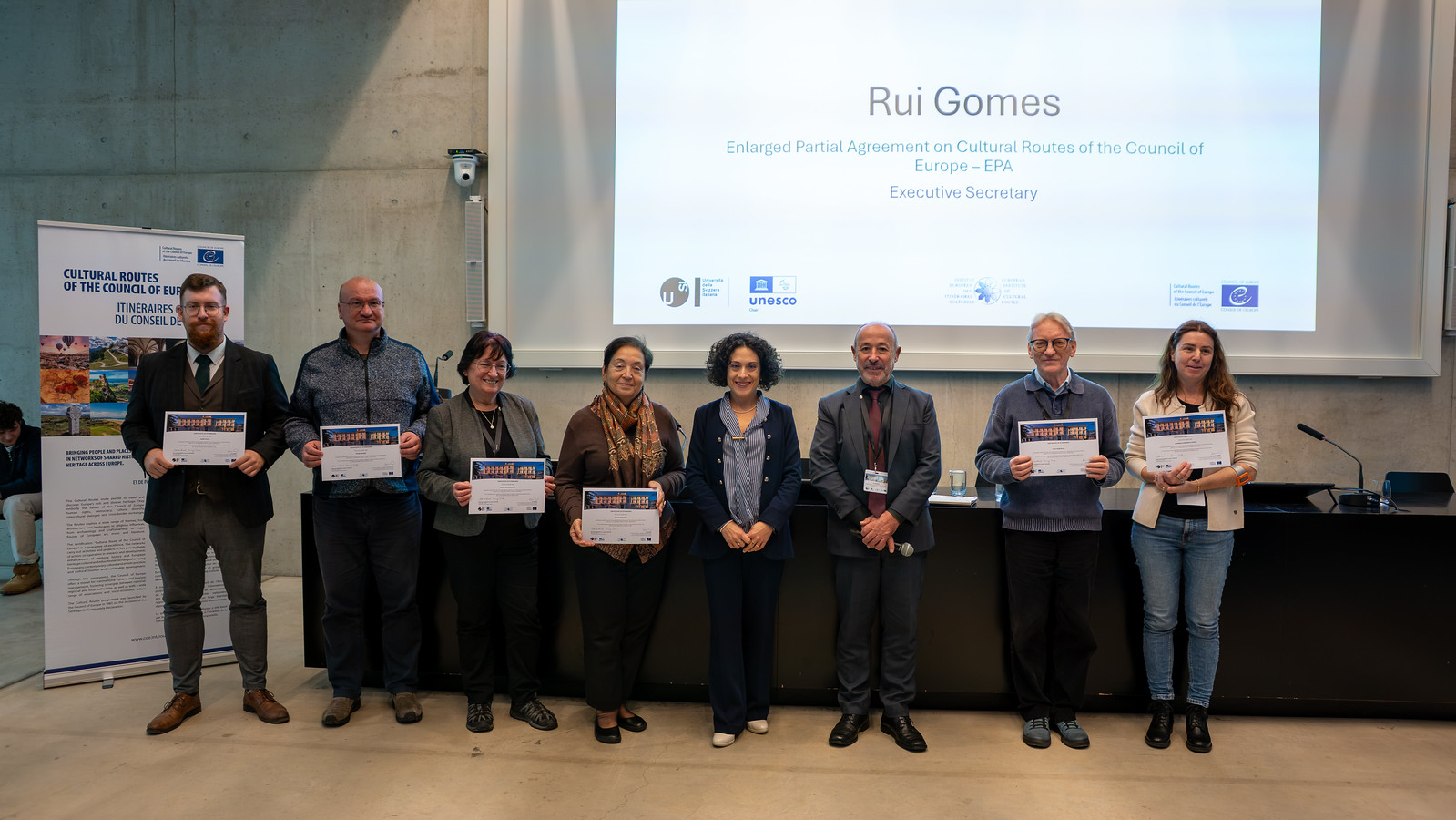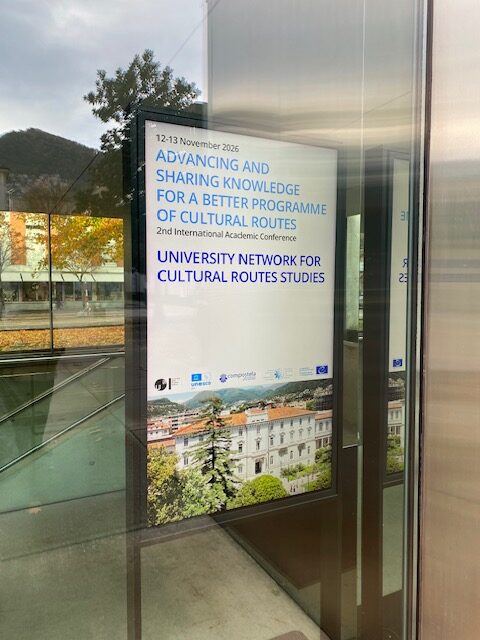
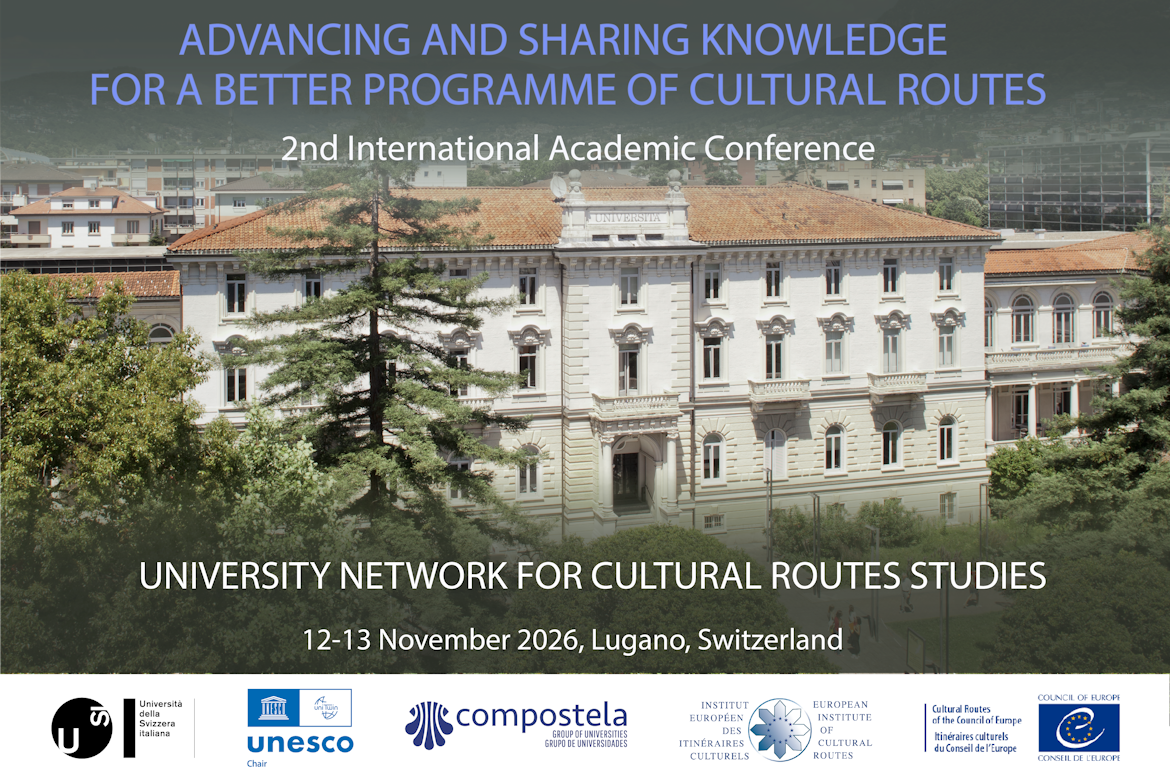
On 12 and 13 November 2026, the Università della Svizzera italiana (USI) in Lugano hosted the Second International Conference of the University Network for Cultural Routes Studies of the Council of Europe, entitled Advancing and Sharing Knowledge for a Better Programme of Cultural Routes.
The conference was jointly organised with the European Institute of Cultural Routes of the Council of Europe and the Compostela Group of Universities, an international academic cooperation network in higher education comprising more than 60 universities from around the world, which chairs the University Network for Cultural Routes Studies. The University of Lugano is also home to the UNESCO Chair in ICT to develop and promote sustainable tourism at World Heritage Sites.
Cooperation in research and development is one of the five priority fields of action of the Council of Europe’s Cultural Routes Programme. The conference brought together 85 academics and cultural heritage professionals from 25 countries. The programme featured 42 research papers presented in ten thematic sessions, addressing cultural heritage research, education, digitalisation, management and the sustainable development of Cultural Routes.
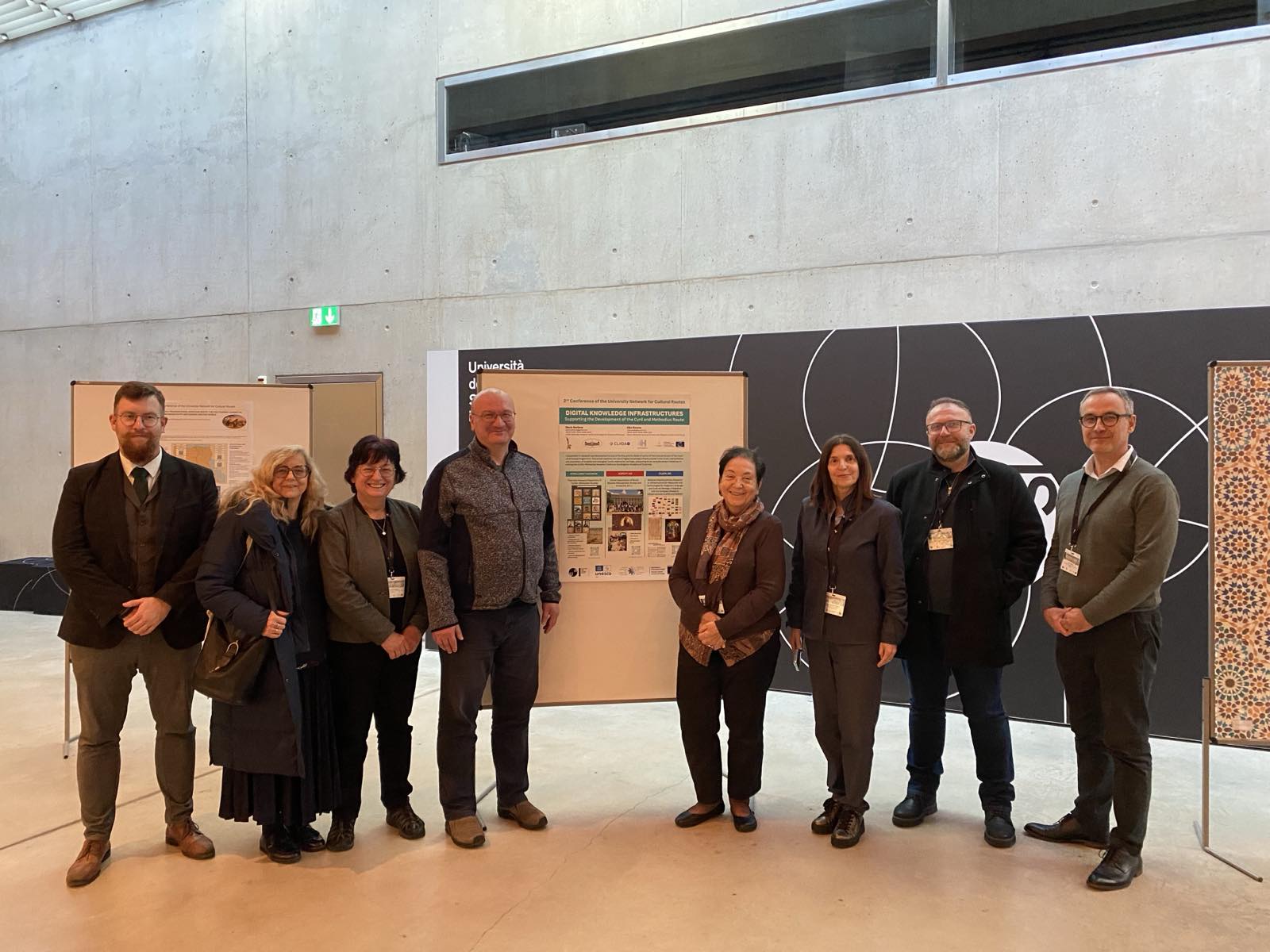
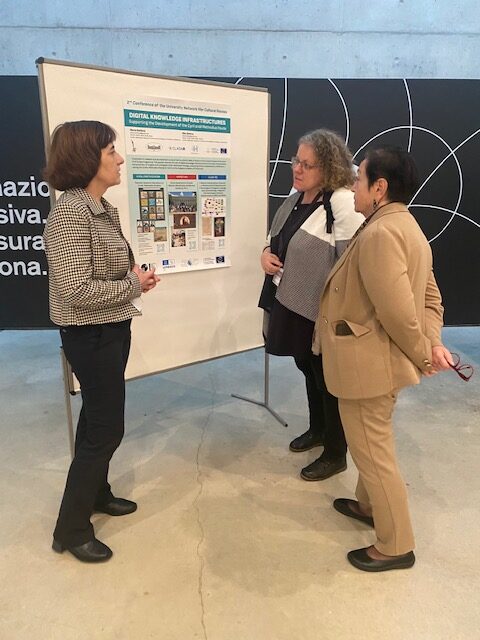
The work of the Cyrillo-Methodian Research Centre at the Bulgarian Academy of Sciences (CMRC-BAS) was presented by Professor Dr Slavia Barlieva and Chief Assistant Professor Dr Elka Zlateva through a research poster entitled “DIGITAL KNOWLEDGE INFRASTRUCTURES: Supporting the Development of the Cyril and Methodius Route.”
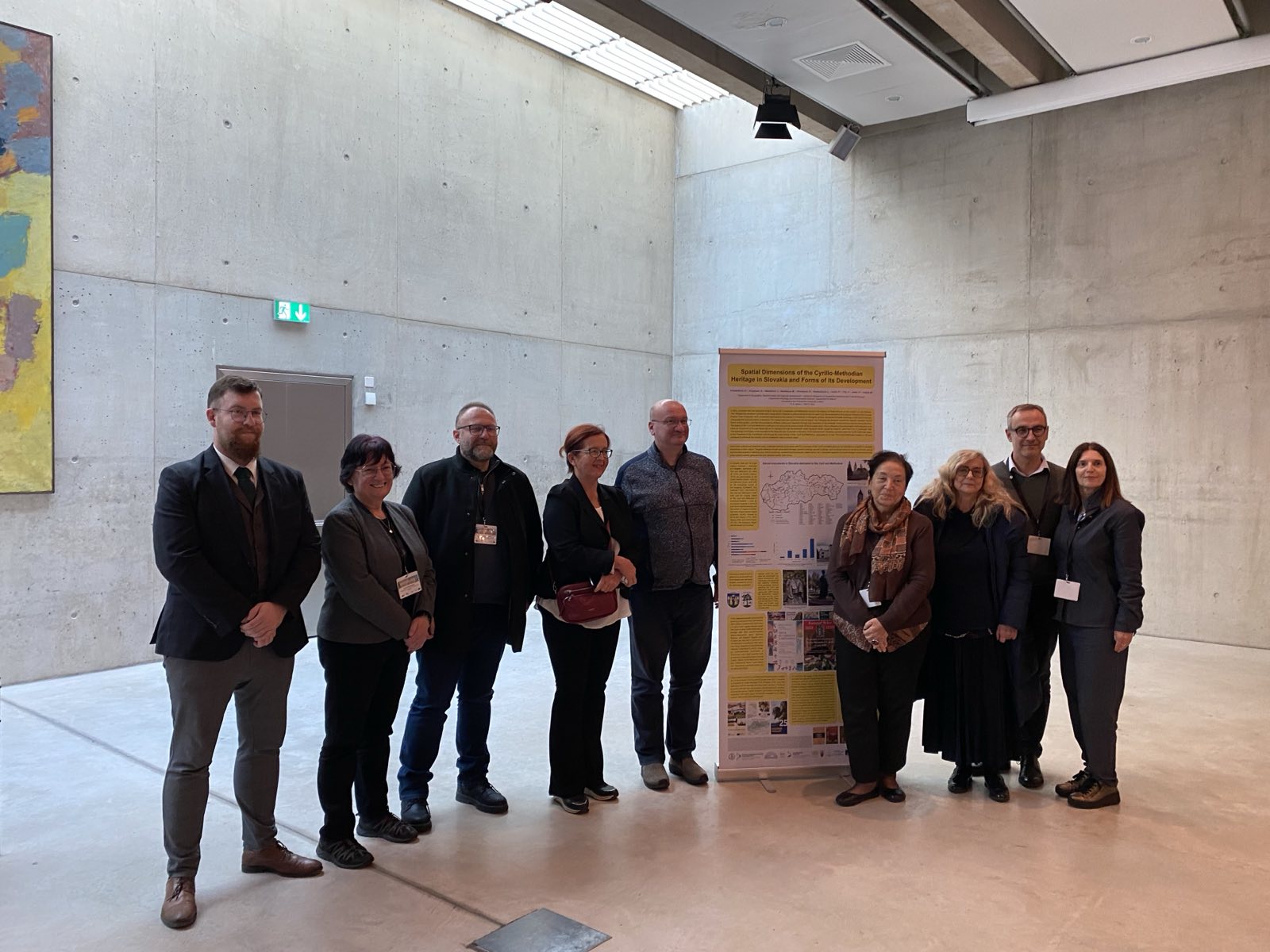
The conference was also attended by Professor Peter Ivanič, Professor Martin Hetényi, Dr Hilda Kramáreková and Dr Jozef Filo from Constantine the Philosopher University in Nitra, Slovakia; Professor Maja Jakimovska-Toshik and Professor Sonja Stojmenska-Elzeser from Ss. Cyril and Methodius University in Skopje; and Professor Aleksandar Vasilevski, Director of the Institute of Old Slavic Culture in Prilep, Republic of North Macedonia.
All three institutions are full members of the European Cultural Route of Cyril and Methodius Association and members of the Council of Europe’s University Network for Cultural Routes Studies.